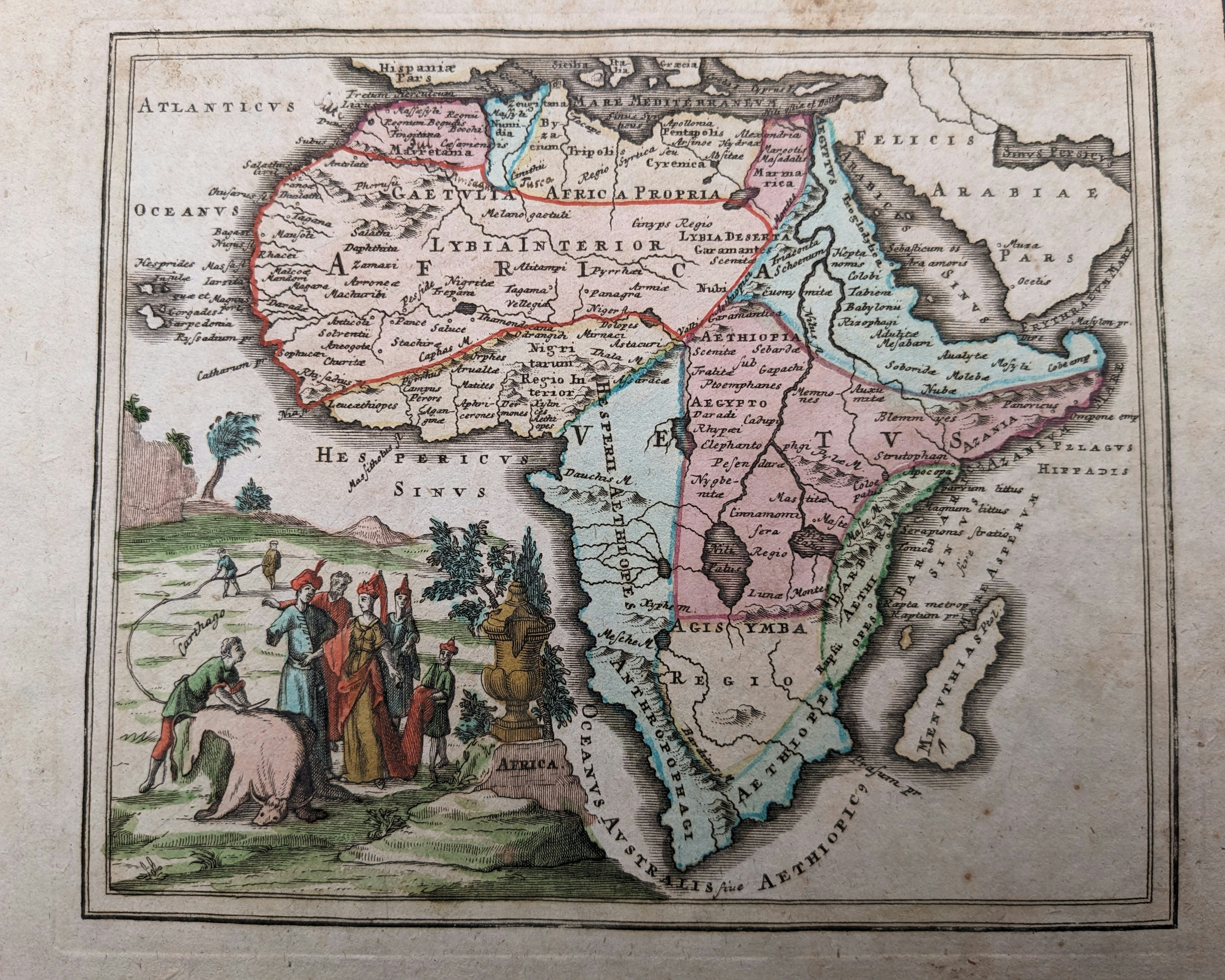
Introduction. North Africa forms the northern margin of the African Plate and comprises the countries Morocco, Algeria, Tunisia, Libya, and Egypt (Figure 1).
Share this:

Introduction to North Africa
North Africa forms the northern margin of the African Plate, serving as a significant geographical region that includes the countries of Morocco, Algeria, Tunisia, Libya, and Egypt. This area is not only diverse in its landscapes but also rich in history and culture.
Geographical Features of North Africa
The geography of North Africa is characterized by its stunning contrasts. From the vast Sahara Desert, which is one of the hottest and largest deserts in the world, to the Mediterranean coastline, this region showcases a range of topographical features. The Atlas Mountains in Morocco and Algeria present remarkable highlands that are home to unique flora and fauna.
Cultural Significance and Historical Context
Each of the North African countries has its unique cultural identity shaped by a blend of Berber, Arab, and French influences among others. Egypt, known for its ancient civilization, is particularly noteworthy with its historical monuments such as the Pyramids of Giza. Meanwhile, countries like Tunisia and Algeria possess a rich tapestry of historical sites dating back to Roman times, highlighting the area’s diverse heritage.
In conclusion, North Africa is not just a geographical boundary of the African continent but also a region with vast cultural and historical significance. Through its diverse landscapes and rich traditions, North Africa continues to captivate explorers and historians alike.
About the Author

Discover more from NMtv
Subscribe to get the latest posts sent to your email.