Trump’s Gulf allies push to have their concerns addressed before Iran war ends
Share this:

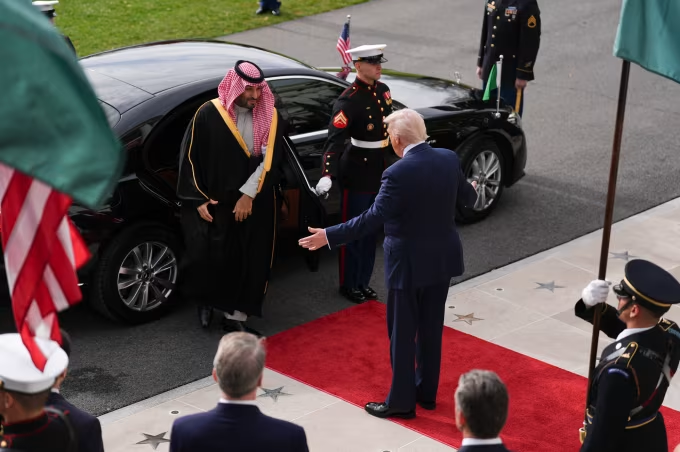
President Donald Trump greets Saudi Crown Prince Mohammed bin Salman at the White House in 2025 Demetrius Freeman/The Washington Post/Getty Images/File
Introduction
In the complex landscape of Middle Eastern geopolitics, Trump’s Gulf allies are increasingly vocal about their concerns regarding the potential fallout of an escalating conflict with Iran. As U.S. officials consider their next steps, these nations are keen to have their voices heard before any decisive actions are taken.
Concerns of Gulf Allies
The Gulf states, particularly those in the Arabian Peninsula, fear that a military confrontation with Iran could destabilize the region further. Longstanding tensions with Iran, stemming from territorial disputes and ideological differences, motivate these nations to seek guarantees from the U.S. that their security interests will be prioritized. As negotiations proceed, Gulf allies are not only advocating for restraint but also urging for a multipronged approach that incorporates diplomatic channels alongside military readiness.
The Importance of Collaboration
Amid rising tensions, Trump’s administration must navigate a delicate balance. Effective collaboration with Gulf allies will be essential to prevent conflict escalation and to ensure the long-term stability of the region. These discussions center around military aid, intelligence sharing, and deterrent strategies to counter any aggressive moves from Iran. It is imperative that these allies feel assured that their concerns will be addressed as the U.S. contemplates its strategy moving forward.
Conclusion
As the situation continues to evolve, the voices of Trump’s Gulf allies serve as a reminder of the intricate web of relationships that underpin stability in the Middle East. Their push for reassurances highlights the critical need for a cohesive approach to the Iranian threat, one that recognizes and respects the regional dynamics at play.
About the Author

Discover more from NMtv
Subscribe to get the latest posts sent to your email.