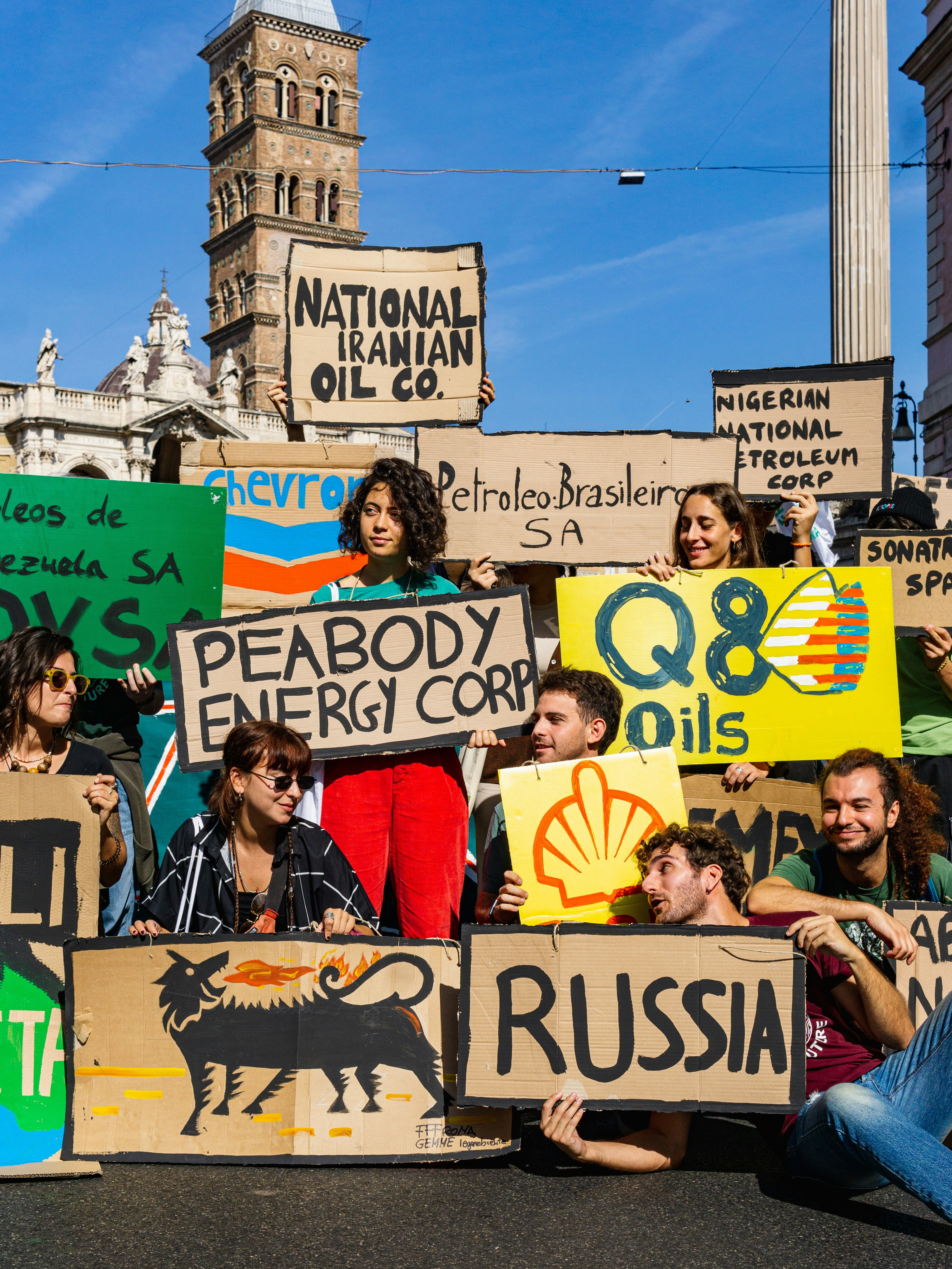
The oil spike is pushing inflation risks higher worldwide, with central banks (like the ECB and Fed) under pressure to keep interest rates elevated. �
Share this:

Introduction
The recent surge in oil prices is creating significant inflation risks across the globe. This phenomenon has resulted in increased pressure on central banks, including the European Central Bank (ECB) and the Federal Reserve (Fed), to maintain elevated interest rates.
The Connection Between Oil Prices and Inflation
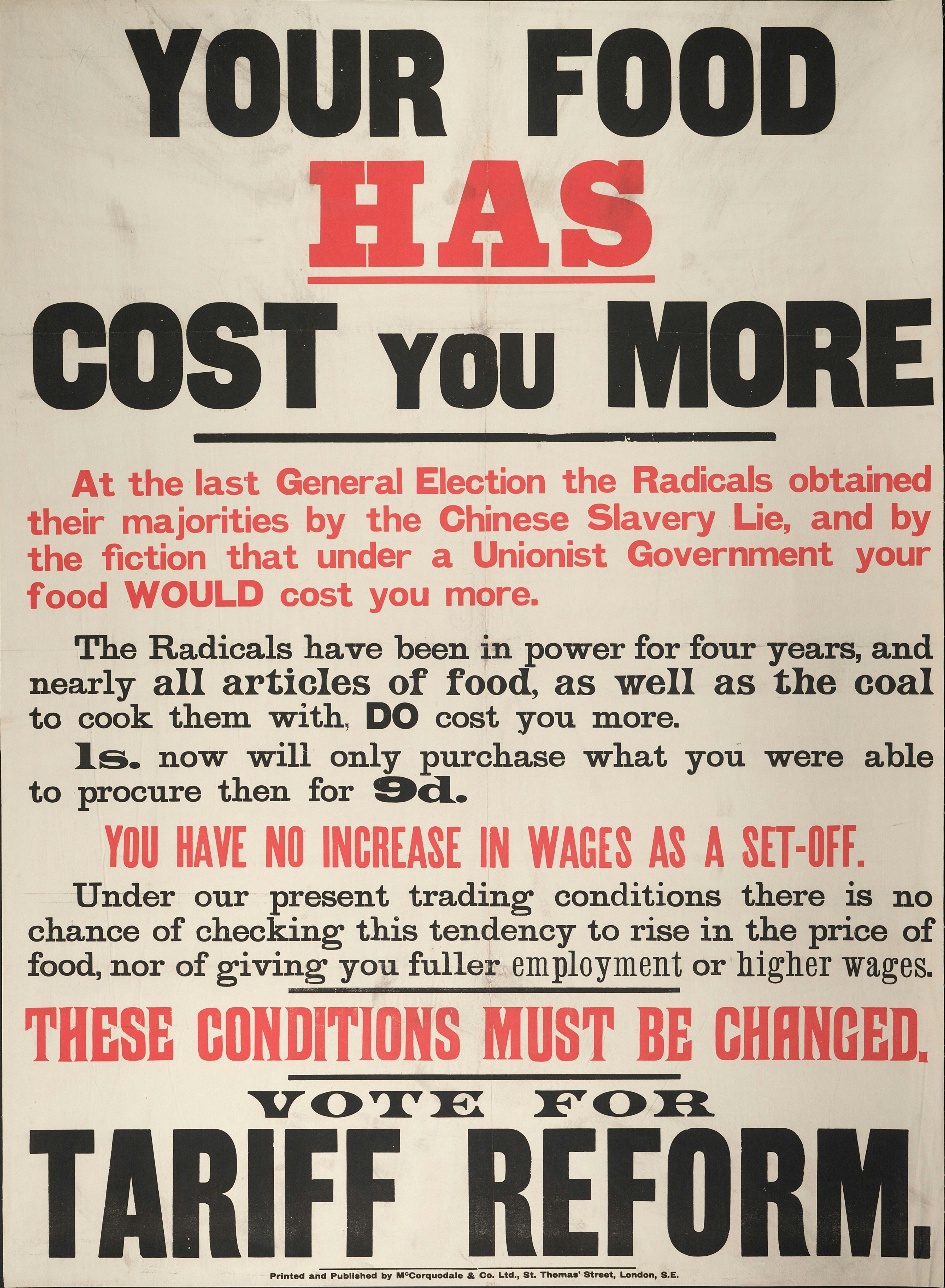
Oil prices have a direct influence on various sectors of the economy. A spike in oil prices often leads to higher costs for transportation and production, which, in turn, affects the pricing of goods and services. This escalation contributes to a broader inflationary environment.
Central Banks Under Pressure
As inflation concerns mount due to the rising oil prices, central banks are faced with the challenge of balancing economic growth and inflation control. With market expectations leaning toward sustained high interest rates, both the ECB and the Fed must navigate this precarious situation carefully. Failure to address inflation effectively could lead to substantial economic repercussions.
Conclusion
In summary, the current oil spike is pushing inflation risks higher worldwide. The response from major central banks will be pivotal in determining the future direction of interest rates and overall economic stability.
About the Author

Discover more from NMtv
Subscribe to get the latest posts sent to your email.