Russia launches large drone attack on Ukraine, injuring dozens in a rare daytime strike
Share this:

Overview of the Drone Attack
On a significant date for the ongoing conflict between Russia and Ukraine, a large-scale drone attack was launched by Russian forces. This attack occurred on the afternoon of October 9, 2023, marking a striking contrast to the usual nighttime bombings that have largely characterized the conflict. The attack took place across various regions of Ukraine, with reports indicating that numerous urban areas were targeted, leading to civilian injuries and significant infrastructural damage.
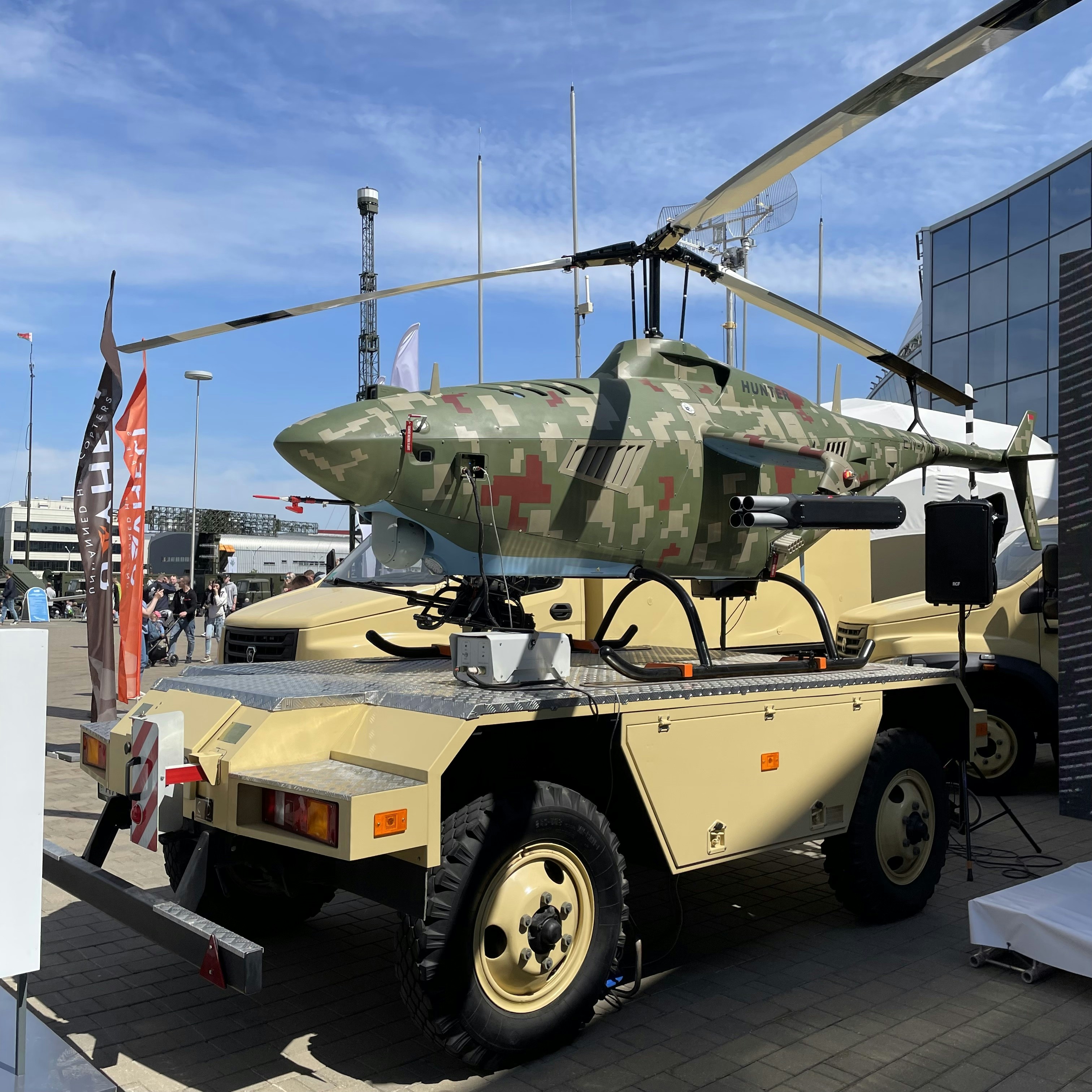
The type of drones employed in this offensive predominantly consisted of Shahed-136 unmanned aerial vehicles, which are known for their low operating cost and explosive impact. Sources suggest these particular drones were effectively utilized to maximize damage and cause panic among the civilian population. The use of drones in broad daylight is relatively rare in the current phase of the conflict, making this attack an alarming development that highlights a potential shift in Russia’s tactical approach.
The scale of this drone assault was unprecedented, involving dozens of drones launched simultaneously, which overwhelmed local air defense systems. The Ukrainian military has reported that while many drones were neutralized in the air, a significant number made it through to their targets. This level of coordination and execution raises serious concerns regarding the effectiveness of Ukraine’s air defense mechanisms and the potential for future attacks of a similar nature.
This rare daytime strike not only reveals the evolving strategies used in modern warfare but also accentuates the precarious security situation within Ukraine. As civilians grapple with the ramifications of such attacks, it becomes clear that the conflict is increasingly affecting daily life on the ground, instilling fear among the population and complicating humanitarian efforts in the region.
Impact on Civilians and Casualties
The recent drone attack launched by Russia on Ukraine has brought about devastating consequences for civilians in the affected areas. Reports indicate a significant number of casualties, with initial estimates suggesting that dozens have lost their lives while many more have sustained serious injuries. The scale of the attack is underscored by the fact that it occurred during daylight, a rare occurrence that compounded the chaos and fear among residents.
The types of injuries reported range from shrapnel wounds to burns and fractures, showcasing the indiscriminate nature of such aerial assaults. Many victims were caught off-guard, engaging in their daily activities when the drones struck, illustrating the precariousness of life in a conflict zone. Emergency responders faced extraordinary challenges in the aftermath, rushing to provide medical assistance amidst ongoing threats, as some areas remained targeted even after the initial wave of attacks.
Accounts from survivors depict harrowing scenes of panic and destruction. Eyewitness testimonies recount the sounds of explosions and the sight of smoke rising from nearby buildings, leading to an immediate sense of dread. As sirens wailed and streets filled with first responders, those affected experienced a mix of shock and urgency to flee the danger. Medical facilities quickly became overwhelmed with victims, forcing healthcare workers to make rapid triage decisions under extreme pressure. The psychological impact on civilians, including increased fear and anxiety levels, is expected to have long-term repercussions as communities grapple with the aftermath of such violence.
The attack has prompted urgent calls for humanitarian assistance, as the need for medical supplies and psychological support grows. The international community has been urged to respond to the humanitarian crisis, highlighting the imperative to address not only the immediate needs of the injured but also the broader implications for civilians in the region.
International Reactions and Responses
The recent large-scale drone attack by Russia on Ukraine has elicited a range of international reactions highlighting the ongoing tensions in the region. Nations around the world have condemned the strikes, underscoring their concern over the escalation of hostilities and the humanitarian impact of such military actions. Democratic nations, particularly in Europe and North America, have expressed solidarity with Ukraine, calling for a unified response against what many perceive as unprovoked aggression.
For instance, the United States reaffirmed its commitment to supporting Ukraine through various means, including military aid and diplomatic pressure on Russia. Statements from the White House emphasized the necessity of international cooperation to address the crisis and uphold Ukraine’s sovereignty. Several European Union member states echoed similar sentiments, expressing their dismay at the daylight attack and suggesting that it constitutes a violation of international law.
Moreover, international organizations such as the United Nations have voiced alarm at the increase in hostilities, calling for restraint from both parties to avert further civilian casualties. Humanitarian groups have highlighted the need for immediate aid to those affected by the strikes, stressing the urgency of addressing the humanitarian situation exacerbated by armed conflict.
The diverse international reactions not only reflect a shared apprehension about the escalating violence in Ukraine but also indicate potential shifts in diplomatic relations. As countries assess their positions and strategies, the implications of this attack could influence ongoing negotiations and redefine alliances within the international community. Increased diplomatic pressure on Russia may ensue, paired with discussions regarding additional sanctions or military support for Ukraine, reinforcing the delicate balance of power in the region.
Broader Implications for the Ukraine Conflict
The recent large-scale drone attack by Russia on Ukraine during daylight hours marks a significant escalation in the ongoing conflict. This shift in strategy raises several concerns regarding the future of military operations in the region. As both sides adapt to the changing dynamics of warfare, we can expect to see modifications in their tactical approaches and preparedness. This incident may prompt Ukraine to enhance its air defense systems and engage in more proactive military strategies to mitigate further attacks.
Furthermore, the drone strike reflects a broader trend towards the use of unmanned aerial vehicles in warfare, a practice that could influence military doctrine globally. Countries observing this conflict may reconsider their own military capabilities and strategies, potentially leading to an arms race in drone technology. The increased reliance on drones may not only redefine combat engagements but also complicate the rules of warfare, raising ethical questions about surveillance and targeted strikes.
This escalation has the potential to exacerbate existing tensions between Russia and NATO countries. As military activities intensify, responses from the international community may become more pronounced, possibly resulting in a shift in alliances and power dynamics within Europe. The ramifications of this drone attack could extend beyond the battlefield, impacting diplomatic relations and economic stability in the region.
Moreover, the incident may instigate a new phase of retaliation, where both Ukraine and Russia engage in escalated attacks. Such developments could hinder prospects for peace negotiations, making a resolution seem further out of reach. As geopolitical tensions mount, it is critical to monitor how this incident influences the long-term landscape of the Ukraine conflict, affecting not only regional security but also global geopolitical equilibria.
About the Author

Discover more from NMtv
Subscribe to get the latest posts sent to your email.