President Trump says he will impose a 10% global tariff on top of those remaining in place after Supreme Court ruling striking down emergency tariffs https://cnn.it/4aFZ1OP
Share this:

Introduction
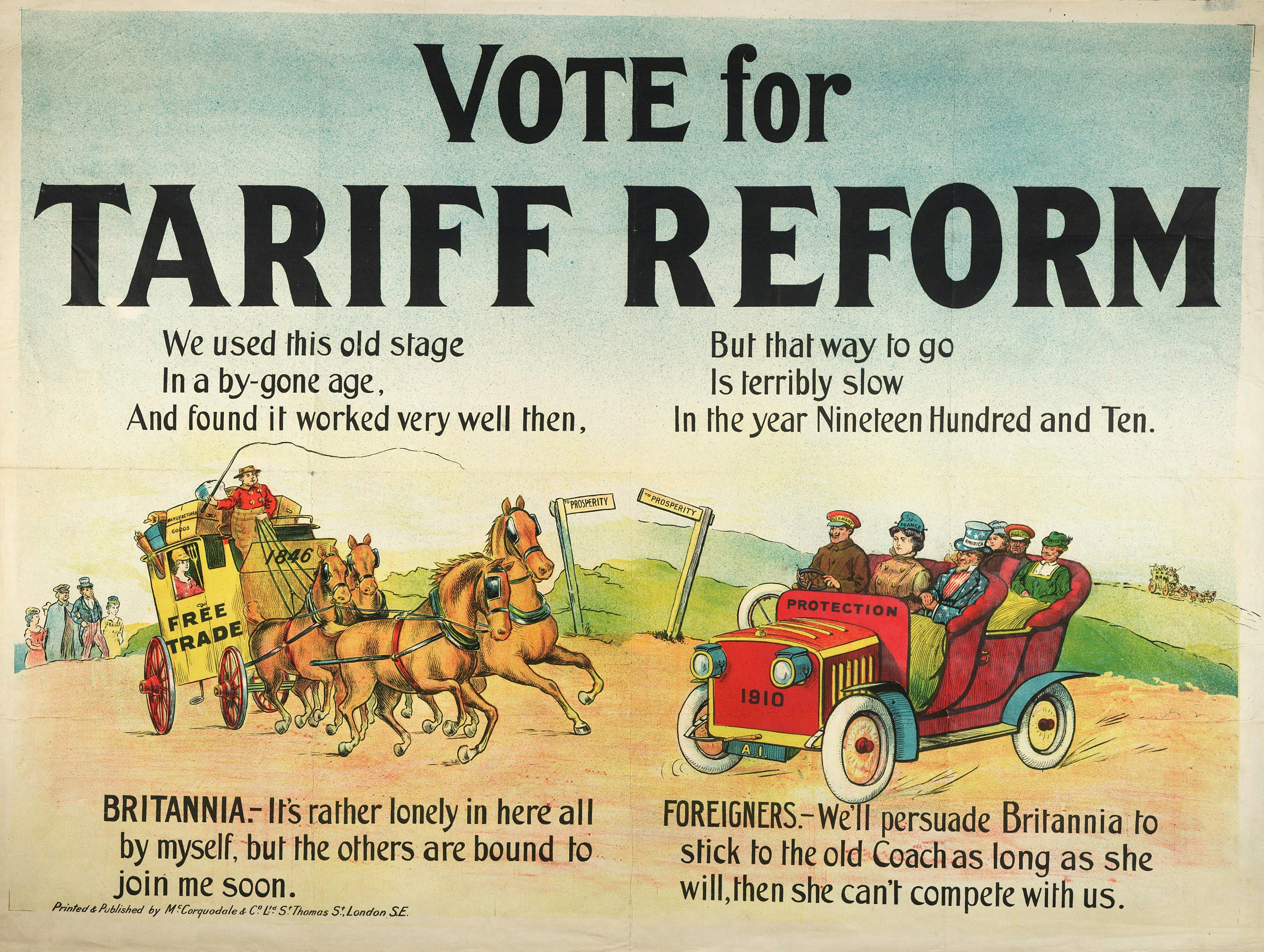
In a significant policy announcement, President Trump has declared an intention to impose a 10% global tariff. This decision follows a recent Supreme Court ruling that struck down a series of emergency tariffs previously enacted. The implications of such a move could resonate throughout the global economy, influencing trade dynamics and international relations.
Understanding the Tariff Strategy
The proposed 10% tariff is projected to be added to tariffs that are still in place following the Supreme Court’s recent ruling. This enhancement of existing tariffs is viewed by many as a strategic effort to bolster domestic industries while attempting to level the competitive field against foreign goods. Critics argue that imposing such tariffs may lead to increased prices for consumers and the possibility of retaliatory measures from trade partners.
Potential Economic Impact
Economists suggest that President Trump’s tariff increase could have mixed repercussions. While it may initially appear to protect American workers and manufacturers, the broader economic consequences could hinder trade relations. Countries affected by the tariffs might respond with their own trade barriers, creating a cycle of escalated tariffs that could hamper global trade growth. Additionally, businesses reliant on exporting goods could face challenging conditions.
As the announcement unfolds, stakeholders across various sectors are monitoring the situation closely, preparing for potential shifts in policy and economic strategy. The efficacy and long-term impact of President Trump’s global tariff proposal remain to be seen.
About the Author

Discover more from NMtv
Subscribe to get the latest posts sent to your email.