KRA Eyes Dual Assessments as Only 2 in 5 Kenyans Pay Taxes
Share this:

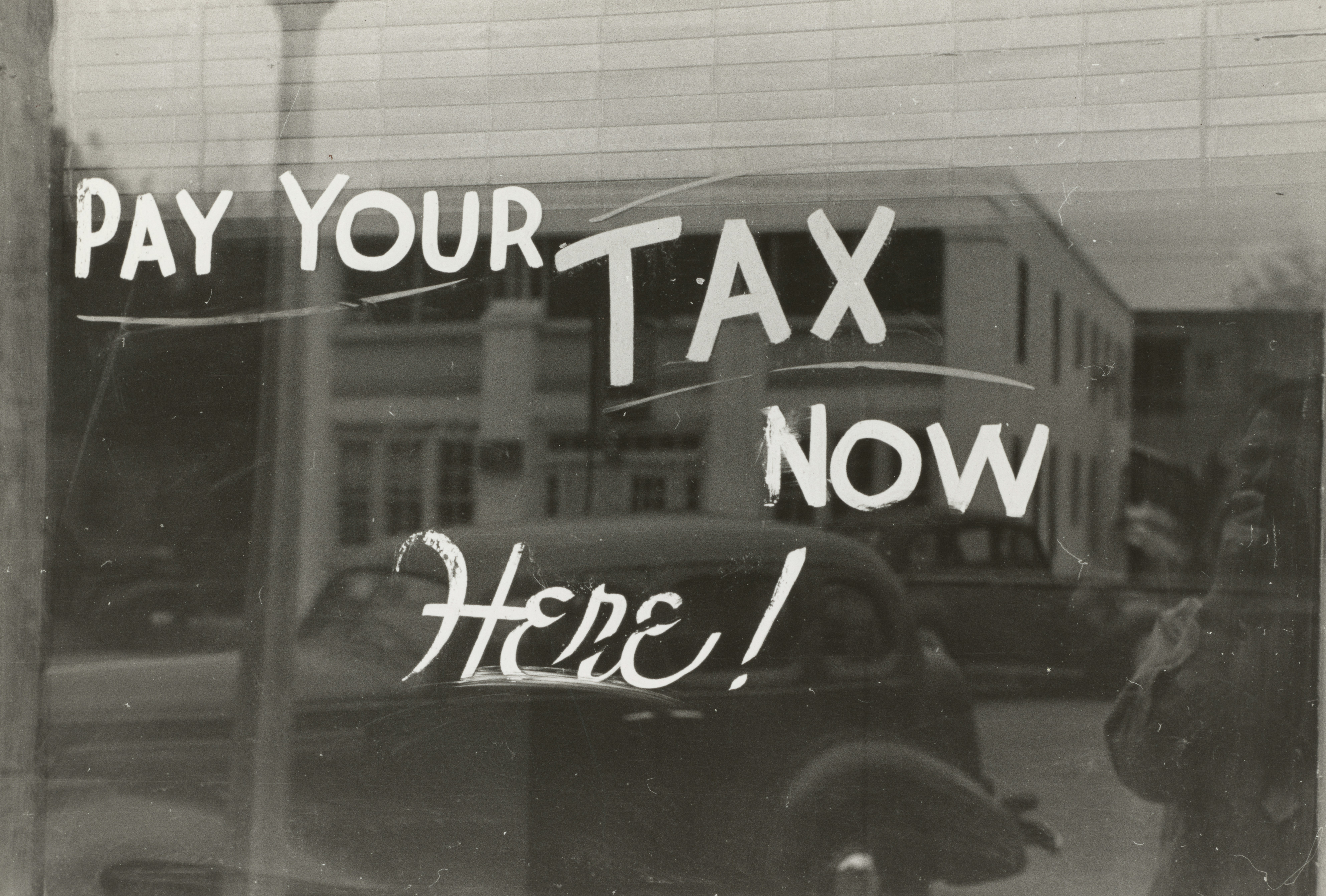
The Current State of Taxation in Kenya
Taxation is a fundamental aspect of any nation’s economy, and Kenya is no exception. However, recent statistics reveal a concerning trend: only two in five Kenyans actively pay taxes. This disparity raises questions about the effectiveness of the existing tax systems and compliance mechanisms in place.
Challenges Faced by Tax Authorities
The Kenya Revenue Authority (KRA) has faced myriad challenges in its quest to enhance tax compliance. Many citizens remain skeptical about the value and utility of paying taxes, primarily due to historical issues of governance and mismanagement. Consequently, a significant proportion of the population feels disengaged from the tax system, leading to widespread evasion.
The Proposal for Dual Assessments
In light of these challenges, the KRA is considering implementing dual assessments as a potential solution. This approach would involve cross-verifying data from various sources to ensure a more comprehensive understanding of taxpayers’ financial activities. By leveraging technology and data analytics, the KRA aims to identify non-compliant individuals and underscore the importance of tax contribution to national development.
The introduction of dual assessments could potentially transform the landscape of taxation in Kenya. As the KRA endeavors to optimize its operations, increasing taxpayer compliance will be crucial for funding public services and infrastructure development. Ultimately, fostering a culture of compliance is imperative for the long-term economic growth of the nation.
About the Author

Discover more from NMtv
Subscribe to get the latest posts sent to your email.