Governments worldwide are monitoring energy supplies and preparing contingency measures.
Share this:

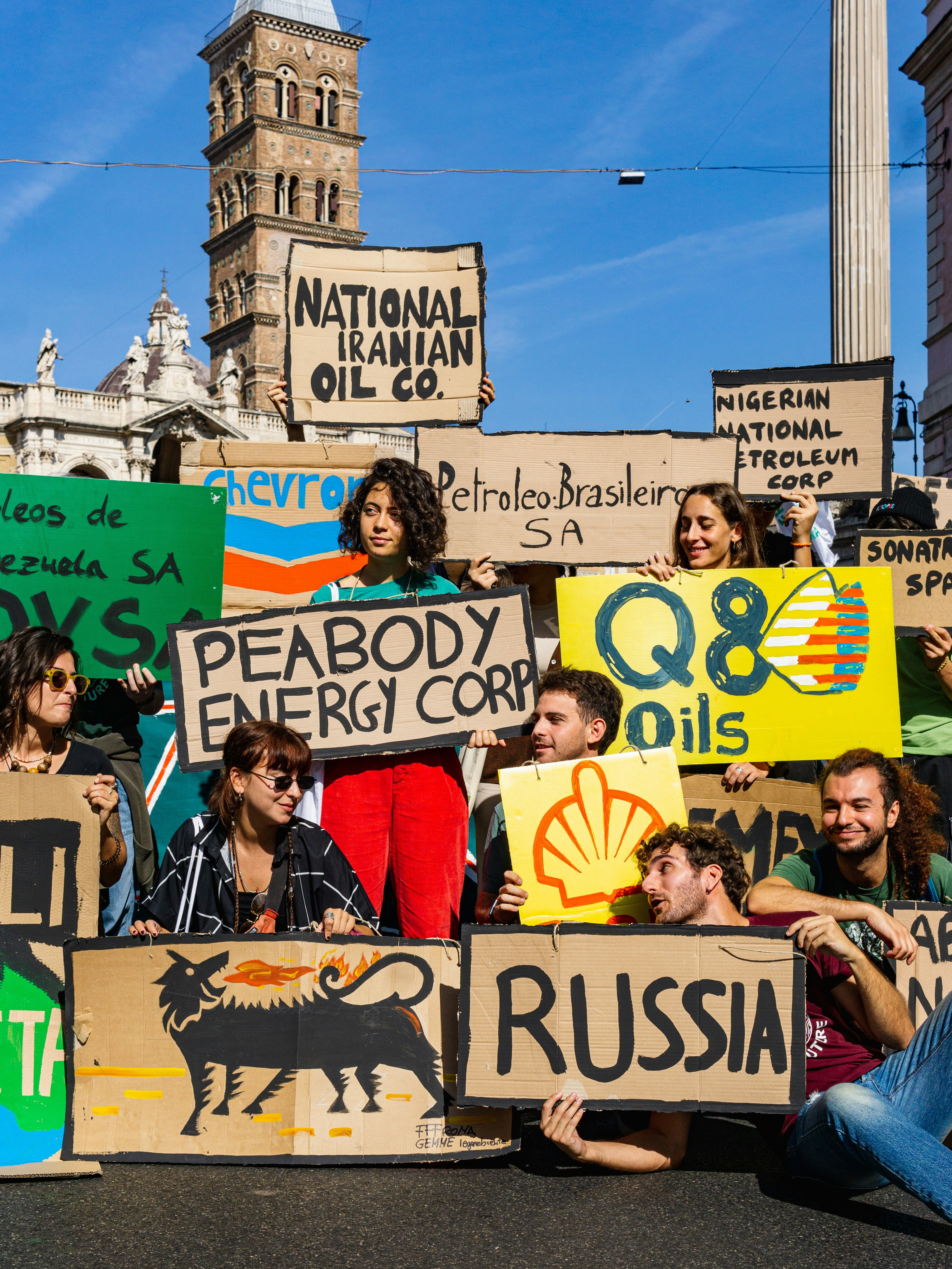
Introduction to Global Energy Supply Monitoring
In the contemporary landscape of energy management, governments worldwide are increasingly vigilant about monitoring energy supplies. This response is driven by a myriad of factors, including geopolitical tensions, climate change initiatives, and the rising demand for sustainable energy sources. The need for comprehensive oversight has never been more critical.
Reasons Behind Increased Monitoring
The fluctuation of energy supplies due to international market instability requires nations to enact proactive measures. Surveillance of energy resources allows governments to anticipate shortages and implement timely contingency plans. Moreover, various nations are recognizing the interconnectedness of their energy supply chains and are thus focusing on collaborative approaches to secure energy independence.
Contingency Measures in Place
To safeguard against potential energy crises, governments are developing strategic contingency measures. These include diversifying energy sources, investing in renewable energy projects, and establishing emergency reserves. By enhancing their infrastructure and policies, countries aim to mitigate risks associated with potential disruptions in energy supplies, ensuring stability for both consumers and industries.
As the world navigates through the complexities of modern energy demands, the role of government monitoring in energy supply remains pivotal. The foresight to prepare for contingencies will be indispensable for fostering resilience in the face of future challenges.
About the Author

Discover more from NMtv
Subscribe to get the latest posts sent to your email.