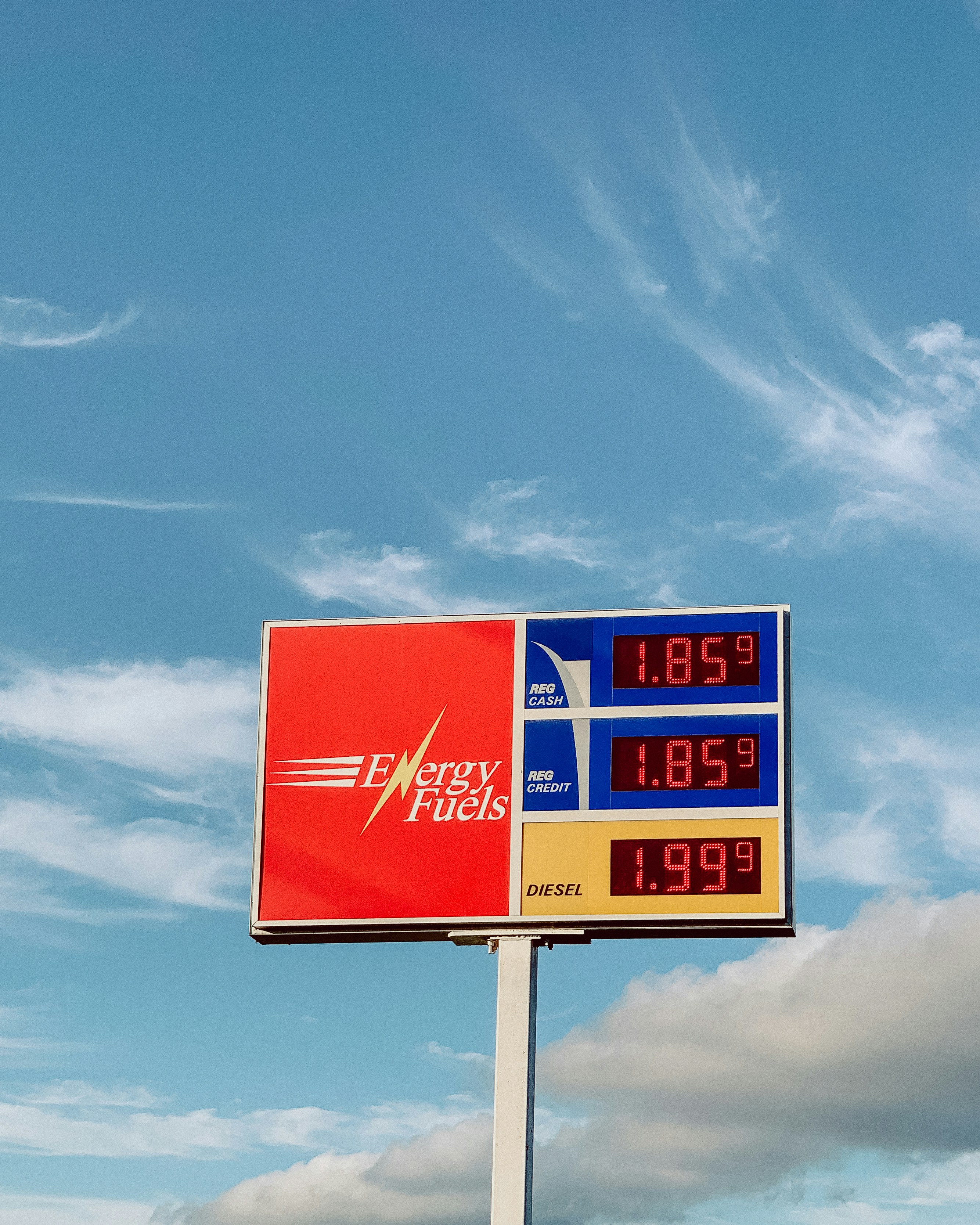
Global oil prices remain unstable due to the ongoing Middle East conflict, increasing the cost of fuel worldwide. �
Share this:

The Current State of Global Oil Prices
The fluctuations in global oil prices have captured the attention of governments, consumers, and businesses worldwide. The ongoing conflicts in the Middle East have emerged as significant factors influencing these prices. This volatility not only affects economies but also shapes consumer behavior regarding fuel usage and expenditure.
Causes of Price Instability
A myriad of reasons contributes to the instability of oil prices. Geopolitical tensions, particularly in the Middle East, have disrupted traditional supply chains leading to an increase in fuel costs. Conflicts create uncertainty in the market, prompting traders to react swiftly, which in turn drives prices up. The fear of potential shortages often results in market speculation, adding another layer of complexity to oil price dynamics.
Effects on Global Economies
The ramifications of increasing oil prices are felt globally. Countries that heavily rely on fuel imports face rising operational costs, which can exacerbate inflation rates. Consequently, consumers may encounter higher prices at the pump, prompting changes in consumption habits. Additionally, industries that depend on oil for production must adapt to increased costs, potentially leading to reduced output or increased prices for end products.
In conclusion, the connection between Middle Eastern conflicts and global oil prices is significant. As tensions in the region persist, the instability of fuel costs is likely to continue, demanding vigilance from policymakers and consumers alike.
About the Author

Discover more from NMtv
Subscribe to get the latest posts sent to your email.