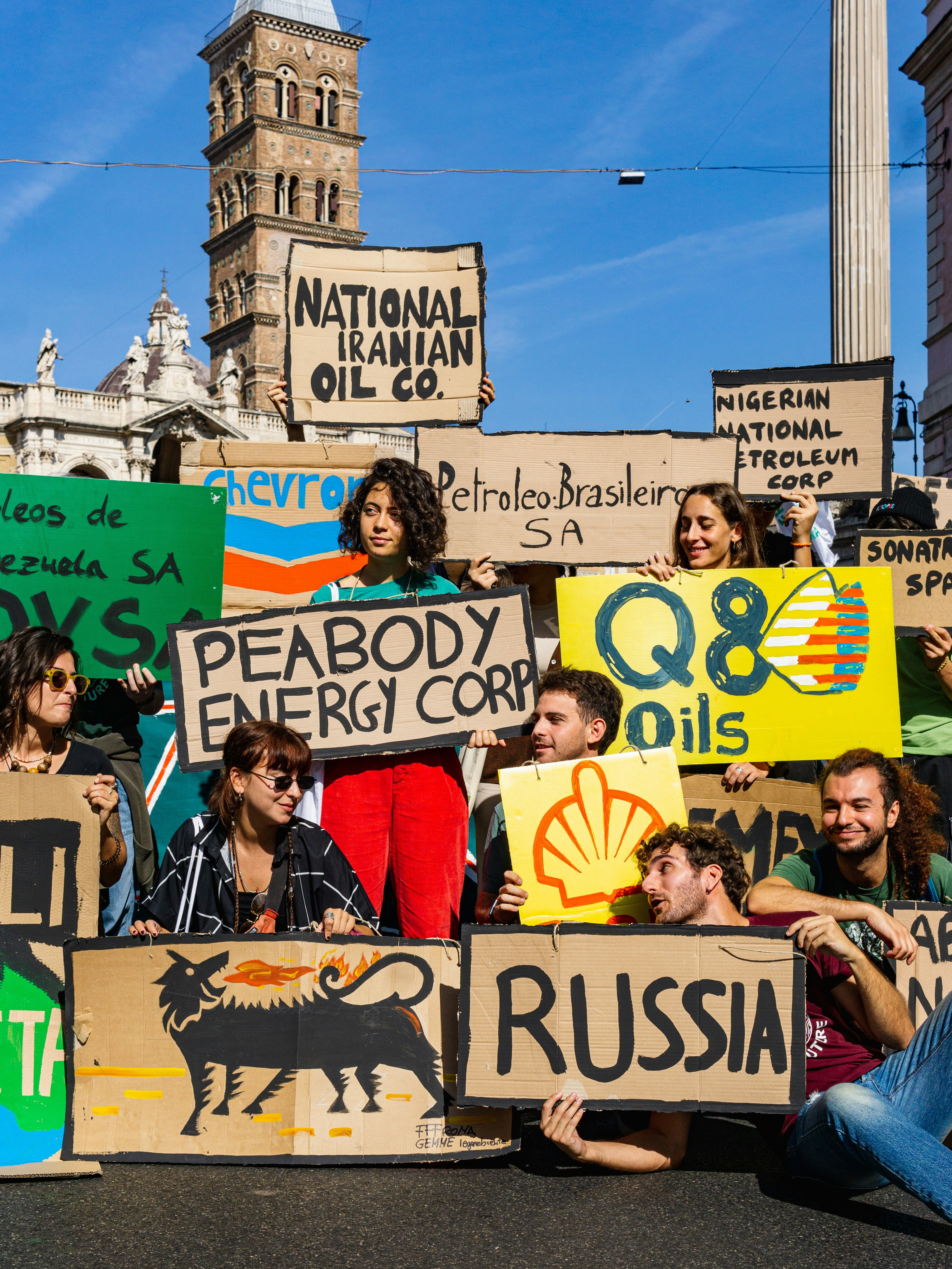
Disruptions in key shipping routes like the Strait of Hormuz are affecting oil supply. �
Share this:

Introduction
The geopolitical landscape is increasingly fragile, with critical shipping routes being disrupted. One of the most significant choke points for global oil supply is the Strait of Hormuz. This narrow passage facilitates the transit of a substantial percentage of the world’s oil. Disruptions in this area can have far-reaching implications, not just for oil-producing nations but also for consumers around the globe.
Causes of Disruptions
Numerous factors contribute to the disruptions in key shipping routes like the Strait of Hormuz. Political tensions, military activities, and environmental challenges all play a role. For instance, conflicts in the Middle East can lead to temporary closures or threats to vessels passing through, heightening the risk of oil supply shortages. Such unpredictability not only affects oil market prices but also creates ripple effects throughout various sectors reliant on stable energy supplies.
Consequences for Oil Supply and Prices
The impact of these disruptions is felt almost immediately in the global oil market. As supply becomes constrained, oil prices often rise, leading to increased costs for consumers and businesses alike. This volatility can result in inflationary pressures, affecting economic stability in regions heavily dependent on oil imports. Furthermore, long-term disruptions can alter trade routes, pushing nations to seek alternative energy sources or suppliers, thus reshaping global energy dynamics.
In conclusion, disruptions in vital shipping routes like the Strait of Hormuz significantly affect the global oil supply. The interplay of geopolitical factors and market reactions underscores the importance of strategic maritime security and energy independence for nations worldwide.
About the Author

Discover more from NMtv
Subscribe to get the latest posts sent to your email.