Big protest against Trump regime aggression in Iran, starting more endless wars in the Middle East. #war #Iran #nyc #protest #trumptower
Share this:

Introduction
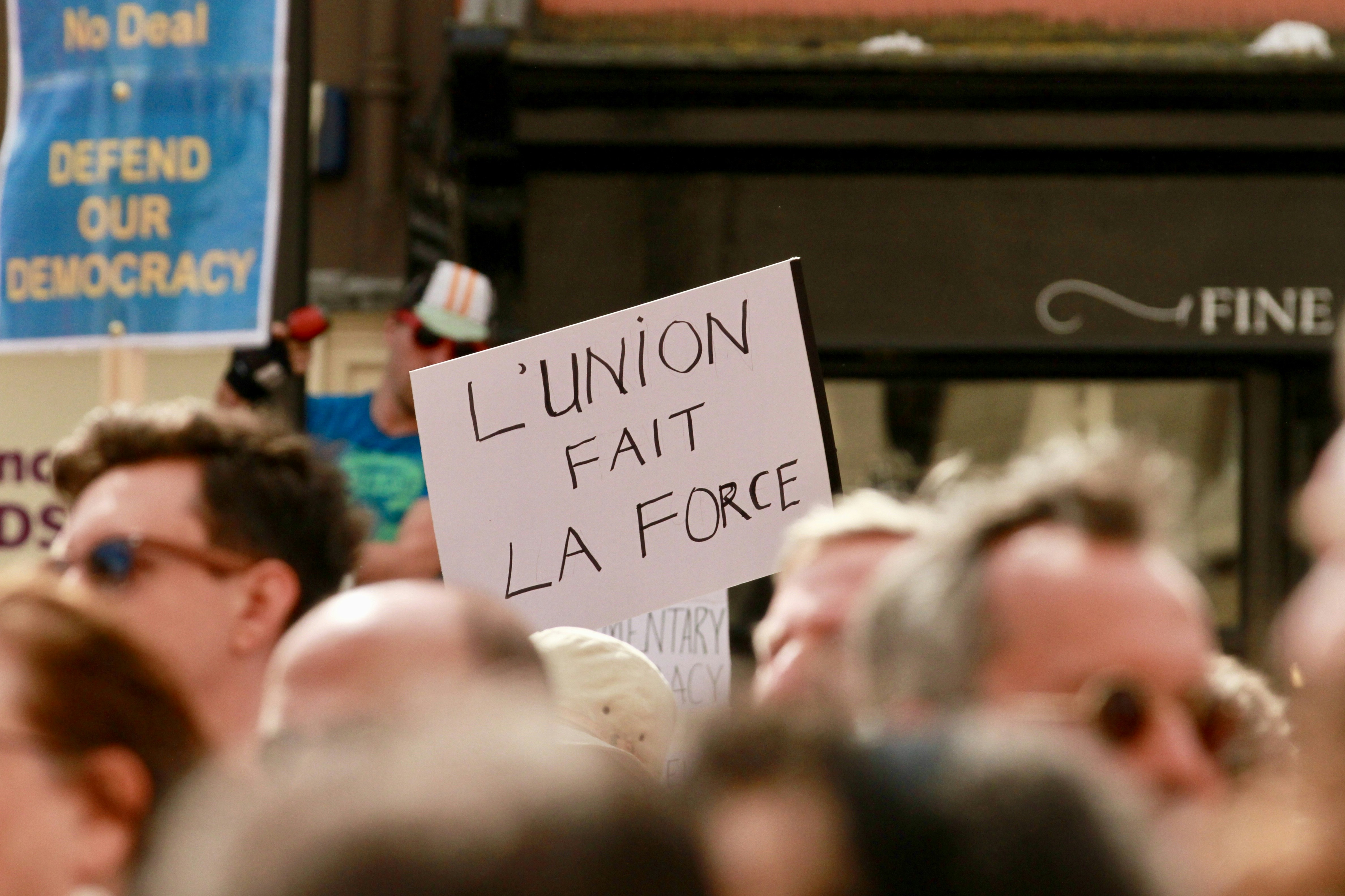
The recent massive protests against the Trump administration’s aggressive stance on Iran have ignited a national conversation around the implications of potential military intervention in the Middle East. Concerned citizens from various backgrounds have taken to the streets to express their discontent with a foreign policy that appears to favor escalation over diplomacy.
Historical Context
The protestors aim to highlight the historical pattern of ‘endless wars’ that have plagued the region for decades. Over the years, military actions in the Middle East have often led to devastating consequences, not only for local populations but also for American servicemen and women. The aggressive policies under Trump’s regime signify a troubling continuation of this cycle, inciting fear and resistance among a growing number of citizens.
Mobilization and Unity
Grassroots organizations have played a critical role in mobilizing the masses against what they deem unjust military aggression. This collective unity, driven by a shared commitment to peace, underscores the importance of civil discourse and the need for accountability in governmental decisions. The protests serve not just as an outlet for frustration, but also as a rallying point for advocates of a more peaceful approach to conflict resolution.
In conclusion, the collective voice emerging from these demonstrations against the Trump regime’s aggression in Iran is a vital reminder of the public’s desire for change. As these protests gain momentum, they symbolize a broader call for peaceful solutions rather than further military entanglement in the Middle East.
About the Author

Discover more from NMtv
Subscribe to get the latest posts sent to your email.